Proudly Serving Lakeland, FL and Polk County
Why HVAC Systems Wear Out Faster in Florida’s Long Cooling Season


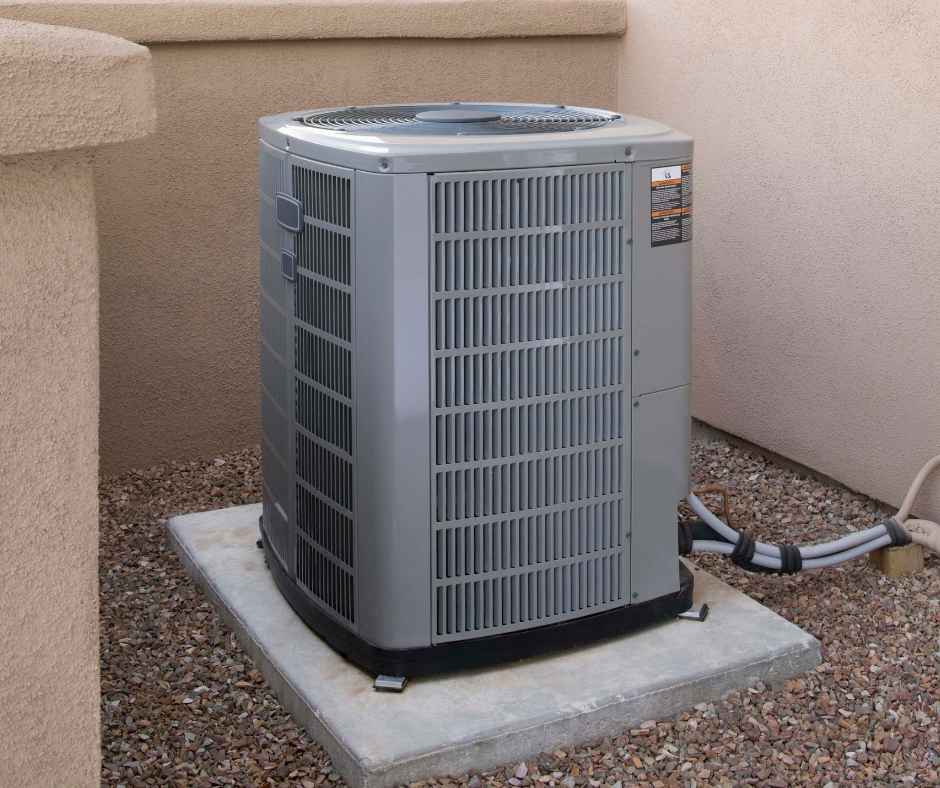
HVAC systems wear out faster in Florida because they run for more months of the year, handle high humidity, and work through long stretches of extreme heat. Constant cooling demand can strain compressors, blower motors, capacitors, coils, filters, ductwork, and drain lines, especially when maintenance is skipped or the system is aging.
Florida homeowners rely on air conditioning almost year-round. In many parts of the country, HVAC systems get a long break during mild seasons. In Florida, the cooling season can span most of the calendar year, which means your system may run harder, longer, and more often than systems in cooler climates.
In this guide, we will explain why Florida’s long cooling season causes HVAC systems to wear out faster, which parts are most affected, and when to call Watts A/C, Plumbing & Electric for maintenance, repair, or replacement help.
Why Florida’s Cooling Season Is So Hard on HVAC Systems
An air conditioner is built to cool your home, but it is not meant to be ignored while running heavily for months at a time. Florida’s climate creates three major challenges: heat, humidity, and long operating hours.
That combination can lead to:
- More wear on moving parts
- Higher compressor stress
- Faster filter clogging
- Dirtier evaporator and condenser coils
- More condensate drain issues
- Increased humidity problems
- Higher energy bills
- More frequent repairs
- Shorter equipment lifespan
In a cooler state, an AC system may only run heavily for part of the summer. In Florida, the system may run during spring, summer, fall, and even warm winter days. That means annual wear can add up quickly.
Constant Runtime Creates More Wear
Every cooling cycle puts stress on the system. When the thermostat calls for cooling, the compressor starts, refrigerant moves, the blower runs, air passes over the evaporator coil, and heat is released outside through the condenser.
Over time, constant runtime can wear down:
- Compressor components
- Blower motors
- Fan motors
- Capacitors
- Contactors
- Bearings
- Belts, where applicable
- Electrical connections
- Thermostat controls
The compressor is especially important because it is the heart of the cooling system. If it is overworked, overheated, or forced to run with low refrigerant or dirty coils, the entire system can suffer.
Florida homeowners should pay attention to long runtimes. If the AC runs constantly and still struggles to reach the thermostat setting, there may be an airflow, refrigerant, insulation, duct, or sizing problem.
Humidity Makes the System Work Harder
Florida heat is only part of the problem. Humidity is just as important. Your AC removes some moisture from the air as it cools, but high humidity places an extra load on the system.
When humidity is high, your home may feel warm even when the temperature is right. Homeowners often lower the thermostat to feel more comfortable, which forces the AC to run longer.
High humidity can contribute to:
- Longer cooling cycles
- Sticky indoor air
- Musty odors
- Mold or mildew concerns
- Condensate drain clogs
- Wet or dirty evaporator coils
- More strain on the blower motor
- Higher energy use
If your home feels clammy, the solution is not always a lower thermostat. You may need better humidity control, improved airflow, duct sealing, maintenance, or a system evaluation.
Dirty Coils Reduce Efficiency
Your HVAC system relies on two major coils: the indoor evaporator coil and the outdoor condenser coil. The evaporator coil absorbs heat from indoor air. The condenser coil releases heat outside.
In Florida, these coils can get dirty faster because the system runs so often. Outdoor condenser coils may collect pollen, grass clippings, leaves, dust, and storm debris. Indoor coils can collect dust, pet hair, moisture, and biological growth when filtration or humidity control is poor.
Dirty coils can cause:
- Reduced cooling capacity
- Longer run times
- Higher energy bills
- Frozen evaporator coils
- Compressor strain
- Poor humidity removal
- Uneven cooling
- Premature equipment failure
A dirty coil forces the system to work harder for less cooling. Regular maintenance helps maintain efficient heat transfer and reduces strain on the equipment.
Filters Clog Faster in Heavy Cooling Season
Air filters protect the HVAC system by catching dust and debris before they reach the blower and coil. During a long cooling season, more air passes through the filter, so it can clog faster.
A clogged air filter can cause:
- Weak airflow
- Higher energy use
- Frozen coils
- Longer cooling cycles
- Dust buildup in ductwork
- More strain on the blower motor
- Poor indoor air quality
- System shutdowns
Florida homeowners may need to check their filters more often than they expect, especially in homes with pets, kids, dust, nearby construction, or high AC usage.
Helpful filter habits include:
- Check filters monthly during the heavy cooling season
- Replace filters when dirty, not only by calendar date
- Use the right filter size
- Avoid filters that are too restrictive for the system
- Keep return vents clear
- Schedule service if filters get dirty unusually fast
A clean filter is one of the simplest ways to protect your AC.
Condensate Drain Lines Clog More Often
Because Florida air is humid, your AC removes a lot of moisture from indoor air. That moisture condenses and drains away through the condensate drain line.
When the drain line clogs, water can back up and cause system shutdowns, ceiling stains, flooring damage, musty odors, or algae growth around the drain system.
Condensate drain problems may show up as:
- Water near the indoor unit
- AC shutting off unexpectedly
- Musty smells from vents
- Drain pan overflow
- Wet spots on ceilings or walls
- Float switch activation
- Higher indoor humidity
Regular drain line maintenance is especially important in Florida. A system that removes gallons of moisture in humid weather needs a clear path for that water to drain safely.
Outdoor Units Face Florida Weather
The outdoor condenser is exposed to direct heat, rain, wind, salt air in coastal areas, and storm debris. Florida weather can be tough on outdoor HVAC equipment.
Outdoor units may be affected by:
- High outdoor temperatures
- Heavy rainfall
- Tropical storms
- Windblown debris
- Grass clippings
- Vegetation growth
- Salt air corrosion near coastal areas
- Flooding or poor drainage
- Sun exposure
- Electrical surges during storms
Keep the area around the condenser clear. Trim plants back, remove leaves, avoid blowing grass clippings into the unit, and call for service if the unit is noisy, leaning, corroded, or damaged after a storm.
Ductwork Problems Make AC Wear Worse
Even a good air conditioner will struggle if the ductwork is leaking, undersized, poorly insulated, or unbalanced. In Florida, attic ductwork can be exposed to extreme heat, which makes leaks and insulation problems even more costly.
Duct problems can cause:
- Uneven room temperatures
- Long AC runtimes
- High utility bills
- Weak airflow
- Dusty indoor air
- Hot or humid rooms
- Poor return airflow
- Added strain on the HVAC system
If one room never cools properly or the AC runs constantly, the system itself may not be the only issue. Duct inspection can help identify hidden airflow losses.
Skipping Maintenance Shortens System Life
In Florida, annual maintenance may not be enough for every home. Because cooling demand is so high, many systems benefit from service before and during the heaviest cooling season.
Routine HVAC maintenance can help:
- Clean coils
- Check refrigerant levels
- Clear condensate drains
- Inspect electrical components
- Test capacitors and contactors
- Lubricate moving parts where applicable
- Check thermostat operation
- Measure airflow
- Inspect duct concerns
- Identify small issues before breakdowns
Maintenance does not make a system last forever, but it can reduce avoidable wear. It can also help homeowners plan ahead instead of waiting for an emergency failure during peak heat.
Signs Your Florida HVAC System Is Wearing Out
An aging AC system often gives warning signs before it fails. Do not ignore changes in performance, especially during summer.
Watch for:
- AC running constantly
- Warm air from vents
- Weak airflow
- Uneven cooling
- Higher electric bills
- Frequent repairs
- Loud humming, buzzing, or rattling
- Frozen indoor coil
- Water near the indoor unit
- Musty odors
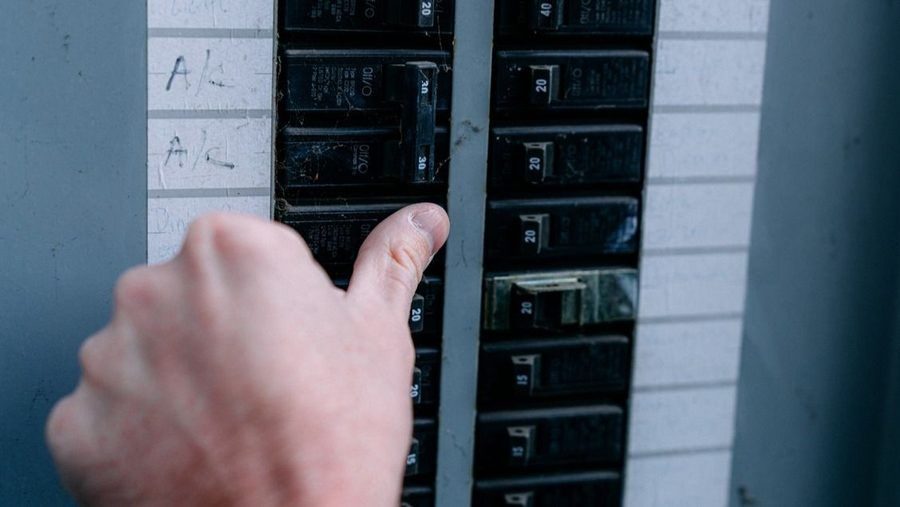
- Breaker trips
- Humidity problems indoors
- System age over 10 years
- Repair costs adding up
One repair may be reasonable. Repeated repairs on an older system may mean replacement is the smarter investment.
Repair or Replace: How to Decide
Florida homeowners often face the repair-versus-replacement question earlier than those in milder climates. Because the system runs so much, wear accumulates faster.
Repair may make sense if:
- The system is newer
- The repair is minor
- The unit has been maintained
- Energy bills are reasonable
- Cooling performance is still strong
- The problem is isolated
Replacement may be smarter if:
- The system is 10 to 15 years old
- Repairs are frequent
- The compressor is failing
- Energy bills keep rising
- The system uses outdated equipment
- Humidity control is poor
- Cooling is uneven
- The system is undersized or oversized
- Repair costs are high compared to replacement costs
A professional evaluation can help compare the immediate repair cost against long-term efficiency, comfort, and reliability.
How to Help Your HVAC System Last Longer
Florida homeowners can reduce wear with consistent habits and timely service.
Helpful steps include:
- Replace air filters regularly
- Schedule routine maintenance
- Keep outdoor units clear
- Clear debris after storms
- Do not block supply or return vents
- Use a programmable or smart thermostat
- Avoid extreme thermostat setbacks
- Seal air leaks where possible
- Improve attic insulation when needed
- Keep condensate drains maintained
- Address humidity problems early
- Call for service when performance changes
The goal is to reduce unnecessary strain. The less the system has to fight airflow restrictions, dirt, heat gain, and humidity, the longer it is likely to perform well.
Why Call Watts A/C, Plumbing & Electric?
Watts A/C, Plumbing & Electric can help Florida homeowners keep their cooling systems ready for the long season ahead. Whether your system needs maintenance, repair, airflow troubleshooting, drain line service, or replacement guidance, we can help you understand what is happening and what options make the most sense.
Call Watts if you notice:
- Poor cooling
- High humidity
- Constant AC runtime
- Rising energy bills
- Water near the indoor unit
- Strange HVAC noises
- Weak airflow
- Frequent repairs
- Storm-related system issues
- An aging unit that may need replacement
Our team can inspect your system, identify causes of excess wear, and recommend practical solutions for your home.
Call Watts for HVAC Help in Florida
Call Watts A/C, Plumbing & Electric if your AC runs constantly, struggles to cool, leaves the home humid, makes unusual noises, leaks water, or needs repeated repairs. These signs may mean Florida’s long cooling season is taking a toll on the system.
HVAC systems wear out faster in Florida because they operate for more months, remove more humidity, and run through intense heat. With proper maintenance, clean filters, clear drains, strong airflow, and timely repairs, you can reduce strain and extend system life. Contact Watts A/C, Plumbing & Electric today to schedule HVAC service and keep your Florida home comfortable through the cooling season.

Brilliant Solutions for Your Home
From everyday repairs to complete system upgrades, we deliver expert home comfort solutions tailored to your needs. Our team focuses on long-term reliability, efficiency, and comfort you can feel in every room.