Proudly Serving Lakeland, FL and Polk County
Why Attic Temperatures Matter More Than AC Size in Florida Homes


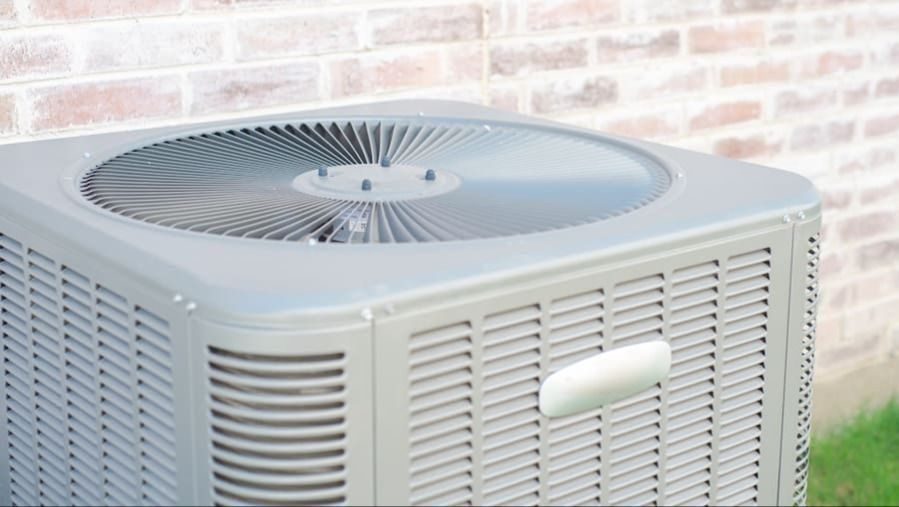
In many Florida homes, attic heat puts more strain on comfort and cooling costs than AC size alone. When the attic is excessively hot, the system has to contend with added heat gain, hotter ductwork, and air leakage from above, which can leave the AC running longer and cooling less effectively.
Many homeowners assume the answer to poor cooling is a bigger air conditioner. The house feels warm, the system runs all afternoon, and certain rooms never seem to catch up, so the unit itself gets blamed first.
But in Florida, the real problem is often sitting right above the ceiling.
A superheated attic can drive extra heat into the living space, warm up ductwork, and make your AC work harder than it should. That means a larger system does not automatically solve the issue. In many cases, attic conditions have a bigger impact on comfort, efficiency, and system strain than AC size alone.
In this guide, you will learn why attic temperatures matter so much in Florida homes, how attic heat affects AC performance, and what to address before assuming your system needs to be larger.
Why Does Attic Heat Matter So Much in Florida?
Florida homes face intense sunlight, long cooling seasons, high humidity, and roof surfaces that absorb significant heat throughout the day. Conventional roofs can reach about 150°F or more on sunny summer afternoons, which helps explain why attic spaces can become such a major source of heat gain.
Once that heat builds up overhead, it does not stay isolated. It affects the ceiling, insulation performance, attic ductwork, and the temperature conditions surrounding critical HVAC components.
That is why the problem is not just outdoor temperature. It is the heat load building above your living space hour after hour.
Why Doesn’t a Bigger AC Automatically Fix the Problem?
A larger AC can cool the air faster, but it does not address why the home is overheating in the first place.
If your attic is trapping excessive heat, several things can happen:
-
Ducts in the attic can absorb more heat before the air reaches your rooms
-
Air leaks between the attic and living space can let hot air move downward
-
The AC may run longer to overcome the heat coming from above
-
Some rooms may stay uncomfortable even when the system is technically running
Air sealing and insulation are among the most cost-effective ways to reduce cooling losses and improve comfort, as the attic is a major boundary between conditioned and unconditioned spaces.
In other words, oversizing the AC may treat the symptom, but it does not solve the cause.
How Does a Hot Attic Affect Ductwork?
In many Florida homes, ductwork runs through the attic. That makes attic conditions especially important.
When ducts sit in a very hot attic, the cooled air moving through them can pick up unwanted heat before it ever reaches the rooms below. If the ducts also have leaks, conditioned air can escape into the attic while hot attic air gets pulled into the system.
That combination can lead to:
-
Warmer supply air
-
Longer run times
-
Uneven cooling
-
Higher energy bills
-
More wear on the system
Radiant barriers can be especially effective in hot climates when cooling ducts are located in the attic because they reduce radiant heat transfer from the roof to attic surfaces.
Can Attic Air Leaks Make the House Feel Harder to Cool?
Yes. Even small gaps around attic penetrations can make a noticeable difference.
Openings around wiring, plumbing, recessed lights, attic hatches, and other ceiling penetrations can allow hot attic air to affect the conditioned space below. Attic air sealing is one of the biggest energy-saving opportunities in existing homes because attics often contain many holes, cracks, and penetrations.
When that leakage is left unaddressed, homeowners may notice:
-
Hot rooms in the afternoon
-
Uneven temperatures between floors
-
AC systems that seem to run constantly
-
Difficulty keeping up during extreme heat
That is not always an AC sizing issue. Often, it is an issue with attic separation.
Does Insulation Matter as Much as AC Equipment?
Absolutely. Insulation slows heat transfer between the attic and the living area below. If attic insulation is thin, damaged, poorly installed, or disturbed, more heat can push into the home during the hottest parts of the day.
That is why replacing an AC without addressing attic insulation often leaves homeowners disappointed. The system may be newer, but it is still working against the same overhead heat load.
What Role Do Roof and Attic Design Play?
Roof color, roof reflectivity, ventilation strategy, insulation placement, and attic configuration can all affect how much heat accumulates in the attic.
Cool roofs are designed to reflect more sunlight and absorb less solar energy, significantly lowering roof temperature compared with conventional roofs. Cool roofs can stay more than 50°F cooler than conventional roofs under the same sunny conditions.
Ventilation and heat-management strategies can also help reduce cooling demand in hot, humid climates. Passive attic ventilation and radiant barriers can help reduce the need for air conditioning, while sealed and conditioned attic approaches can also make sense in some homes.
The point is not that every home needs the same attic upgrade. It is the attic design that directly affects how hard the AC has to work.
What Signs Point to an Attic Heat Problem Instead of an Undersized AC?
Many of the most common “AC problems” are actually comfort issues related to the attic.
Watch for signs like:
-
Upstairs rooms that stay hotter than the rest of the home
-
Rooms that get worse in the late afternoon
-
Long run times on very sunny days
-
Supply air that seems cooler near the unit than in distant rooms
-
High cooling bills even after AC replacement
-
Comfort problems that improve after sunset
These symptoms often suggest that the home is fighting heat gain, duct heat, or attic leakage, not just a lack of AC capacity.
What Should Be Checked Before Replacing the AC?
Before assuming you need a larger system, it makes sense to evaluate the full cooling picture.
That may include checking:
-
Attic insulation levels and condition
-
Air leaks between the attic and the living space
-
Duct location, leakage, and insulation
-
Attic ventilation or heat-management strategy
-
Roof reflectivity and solar heat gain
-
System airflow and overall AC performance
This matters because installation and design issues can hurt efficiency and comfort even when the equipment itself is working.
Can a Bigger AC Actually Create New Problems?
It can. When an AC is oversized for the home, it may cool the space too quickly and shut off before running long enough to manage humidity well. In Florida, that can leave the house feeling cool but clammy.
So if the real problem is attic heat, poor ductwork, or air leakage, a larger AC may increase upfront costs without delivering the comfort improvement the homeowner expected.
What Usually Makes the Biggest Difference?
In many Florida homes, the biggest gains come from reducing the heat load before increasing equipment size.
That may mean:
-
Improving attic insulation
-
Sealing attic air leaks
-
Addressing duct leakage or poor duct insulation
-
Adding a radiant barrier where appropriate
-
Improving roof reflectivity
-
Evaluating whether attic ventilation or other heat-control upgrades make sense
These improvements can help the AC do its job more effectively, rather than forcing it to fight avoidable heat all day.
Quick Summary: Why Attic Temperature Often Matters More Than AC Size
To summarize:
-
A hotter attic adds heat to the home from above
-
Attic ductwork can lose cooling performance in extreme heat
-
Air leaks between the attic and house can make rooms harder to cool
-
Insulation and air sealing often matter as much as equipment
-
A bigger AC does not fix attic heat gain
-
In Florida homes, solving the attic problem often improves comfort more than upsizing the system
Fix the Heat Problem, Not Just the Equipment
If your home struggles to stay comfortable, the answer may not be a larger AC. In many Florida homes, the real issue starts in the attic, where excessive heat, poor insulation, ductwork losses, and air leaks quietly increase cooling demand every day.
Watts AC, Plumbing & Electric can help evaluate the full picture, including attic-related factors that may be affecting comfort and system performance. If your AC runs constantly, certain rooms stay hot, or cooling bills keep climbing, contact Watts AC, Plumbing & Electric to schedule an HVAC evaluation.


Brilliant Solutions for Your Home
From everyday repairs to complete system upgrades, we deliver expert home comfort solutions tailored to your needs. Our team focuses on long-term reliability, efficiency, and comfort you can feel in every room.