Proudly Serving Lakeland, FL and Polk County
How HVAC Systems Control Humidity in Central Florida Homes


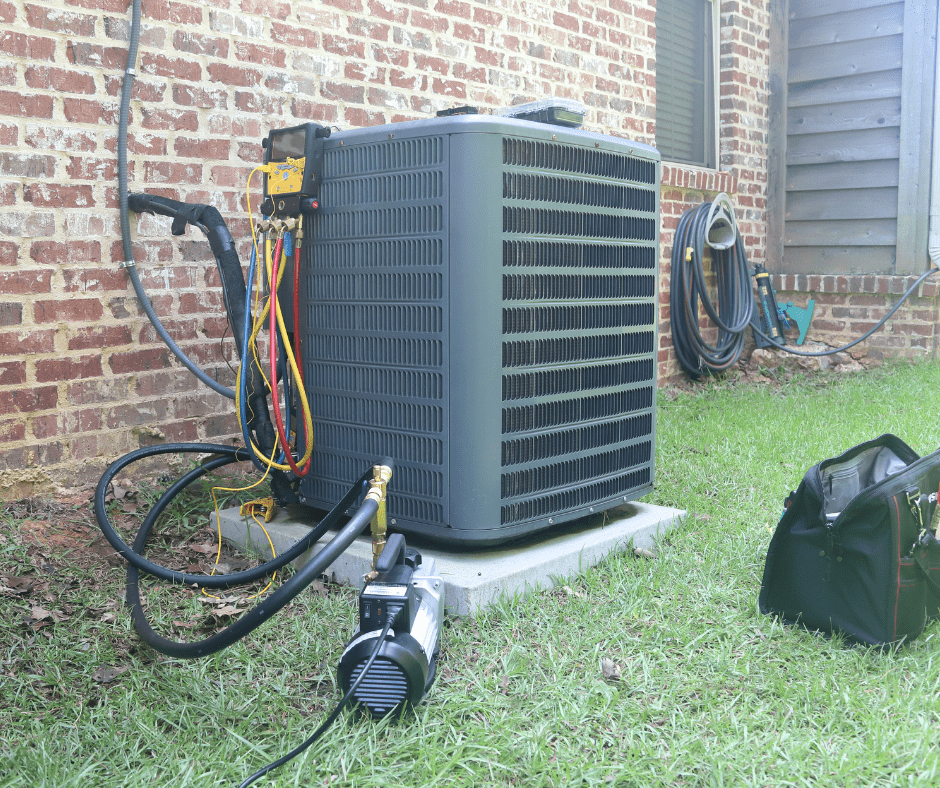
In Central Florida, your HVAC system does more than cool the air. It also removes moisture, which plays a major role in how comfortable your home feels. When the system is properly sized, moving air correctly, and draining properly, it can help reduce indoor humidity and improve comfort throughout the home. In hot-humid climates, humidity control is a core part of cooling performance.
Many homeowners think indoor comfort comes down to temperature alone. If the thermostat says 72, the house should feel comfortable. In Central Florida, that usually is not the full story. A home can reach the set temperature and still feel sticky, heavy, or clammy when indoor humidity stays too high.
That is why HVAC performance in Florida is about more than cold air. Your system has to manage moisture well enough to make the home actually feel comfortable. In this guide, you will learn how HVAC systems remove humidity, what gets in the way of that process, and what Central Florida homeowners should watch for when the house feels cool but still uncomfortable.
Why Humidity Matters So Much in Central Florida
Central Florida has a hot-humid climate, which means cooling systems must handle both heat and moisture for much of the year. In these conditions, indoor comfort depends heavily on moisture removal, not just temperature reduction.
That is why two homes set to the same temperature can feel very different. The home with better humidity control usually feels cooler and more comfortable, even without lowering the thermostat.
How an HVAC System Removes Humidity
As your air conditioner runs, warm indoor air passes over the evaporator coil. That coil is cold enough to pull moisture out of the air, and that moisture then drains away through the condensate system. Air conditioners are designed to cool and dehumidify simultaneously.
This is one reason AC runtime matters. The system needs enough operating time to remove moisture effectively. If it does not run long enough, the house may cool down but not feel dry enough to be comfortable.
Why System Sizing Affects Humidity Control
Proper sizing is one of the biggest factors in humidity control. Oversized air conditioners can cool the house too quickly and shut off before removing enough moisture. That short cycling can leave indoor air cooler but still muggy.
In a hot-humid climate like Central Florida, that can become a constant source of comfort complaints. The thermostat may be satisfied, but the air still feels damp.
How Airflow Changes Humidity Performance
Airflow has a major effect on how well the system removes moisture. If airflow is too low, the system may struggle in other ways. If airflow is not properly set up, humidity control and overall comfort can suffer. HVAC performance in hot-humid climates depends on the system being designed and operated to support both cooling and dehumidification.
That is why issues like dirty filters, blocked returns, blower problems, or duct restrictions can affect more than temperature. They can also make the home feel heavier and less comfortable.
Why the Drain Line Matters
When the system pulls moisture from the air, that water has to drain out properly. If the condensate drain line is slow or blocked, water can back up around the indoor unit, creating additional moisture-related issues inside the home. Proper moisture removal depends on the system draining the condensate it collects.
For homeowners, that means humidity control is tied to more than the outdoor unit. Drainage performance matters too.
Can a Home Still Feel Humid Even With a Good AC System?
Yes. Even correctly sized air conditioning equipment can struggle to maintain comfortable humidity levels in extremely humid climates. When that happens, homeowners often lower the thermostat or add a dehumidifier to try to feel better.
That is one reason some homes feel cold and clammy at the same time. The temperature drops, but the moisture problem is not fully solved.
What Makes Humidity Problems Worse
A few common issues can make indoor humidity harder to control:
- Oversized equipment
- Dirty air filters
- Poor airflow
- Leaky ductwork
- Drain line issues
- Thermostat or control settings that are not helping runtime
- High outdoor moisture load during Florida weather patterns
In hot-humid homes, comfort and humidity control depend on the HVAC system, the airflow setup, and the broader condition of the home.
Signs Your HVAC System May Not Be Controlling Humidity Well
Homeowners often notice the symptoms before they understand the cause. Common warning signs include:
- The house feels sticky even when the AC is running
- Some rooms feel cooler than others but still damp
- The thermostat keeps getting lowered for comfort
- Cooling cycles seem short
- Indoor air feels cold but clammy
- Moisture appears around vents or the indoor unit
- Utility bills rise because the system runs more to chase comfort
These kinds of complaints are consistent with poor dehumidification performance in hot-humid climates.
When a Whole-Home Dehumidifier May Help
Some Florida homes benefit from added humidity control beyond the main AC system. Supplemental humidity-control strategies are being developed specifically for hot-humid homes where standard cooling alone does not maintain comfort adequately.
That can be worth considering when the home consistently feels muggy even after the AC has been checked and is otherwise operating correctly.
What Central Florida Homeowners Should Focus On
If indoor humidity feels high, these are usually the issues worth reviewing first:
- Is the system sized correctly for the home?
- Is airflow set up properly?
- Is the filter clean and the return air path open?
- Is the condensate drain working properly?
- Are cooling cycles long enough to effectively remove moisture?
- Is the home still uncomfortable even when the temperature looks normal?
In hot-humid climates, those factors often directly affect comfort and energy use.
Better Humidity Control Starts With the Right Setup
In Central Florida, a good HVAC system should help your home feel cooler, drier, and more comfortable. When humidity stays too high, the issue may be equipment sizing, airflow, drainage, controls, or the need for added dehumidification support.
Watts Air Conditioning, Plumbing & Electrical can help evaluate whether your current HVAC system is handling humidity properly and identify adjustments or upgrades that may improve comfort in your home. Contact us to schedule an HVAC evaluation before high summer humidity puts even more strain on the system.

Brilliant Solutions for Your Home
From everyday repairs to complete system upgrades, we deliver expert home comfort solutions tailored to your needs. Our team focuses on long-term reliability, efficiency, and comfort you can feel in every room.