Proudly Serving Lakeland, FL and Polk County
Whole-Home Surge Protection in Lakeland: What Can It Protect During Summer Thunderstorms?


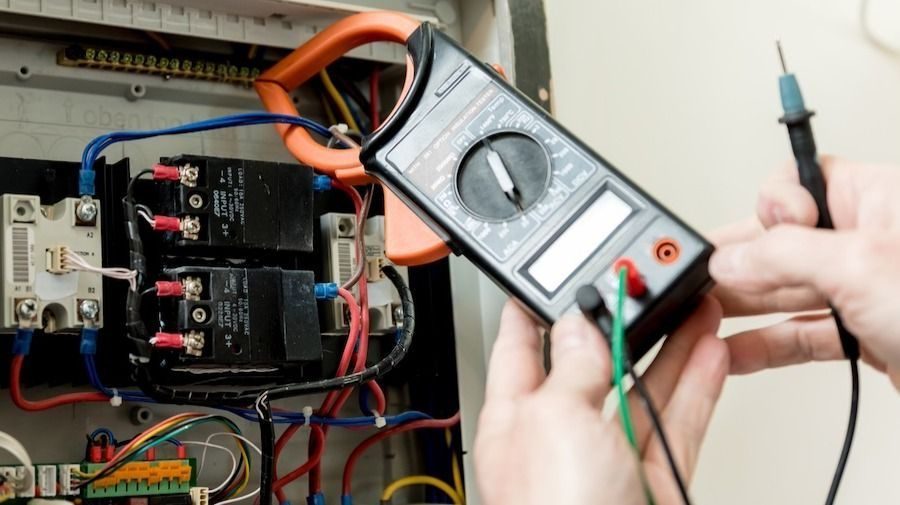
Summer thunderstorms are a familiar part of life in Lakeland. Heavy rain, lightning, brief outages, and sudden power restoration can all create electrical conditions that put home systems and electronics at risk.
A whole-home surge protector is designed to reduce damage from certain voltage spikes before they travel through your electrical system. It can help protect hardwired equipment, major appliances, and connected electronics that standard plug-in surge strips may not cover.
In this guide, we will explain how whole-home surge protection works, what it may protect during Lakeland summer thunderstorms, and what homeowners should understand before scheduling installation.
What Is an Electrical Surge?
An electrical surge is a sudden increase in voltage moving through the wiring in your home. Household equipment is designed to operate within a normal voltage range. When voltage rises sharply, sensitive components may overheat, degrade, or fail.
A surge is different from a power outage. During an outage, electrical service stops. A surge involves excess voltage. Surges can occur before an outage, during utility problems, or when power is restored.
Some surges are large and immediately damage equipment. Others are smaller and may gradually weaken electronic components over time.
Common sources include:
-
Lightning-related electrical activity
-
Utility switching
-
Transformer problems
-
Downed power lines
-
Power restoration after an outage
-
Large appliances cycling on and off
-
Electrical faults within the home
Whole-home surge protection is designed to respond quickly when voltage rises beyond normal levels.
Why Lakeland Summer Storms Increase Surge Risk
Florida thunderstorms can produce frequent lightning and sudden power interruptions. A lightning strike does not have to hit your house directly to create a surge.
Electrical energy can travel through:
-
Utility lines
-
Nearby transformers
-
Cable or communication lines
-
Outdoor wiring
-
Connected electrical systems
Storm damage to local utility equipment may also cause voltage changes. When service is restored after an outage, electricity may not always return smoothly.
Lakeland homeowners may experience several storm-related power interruptions during one season. Each event creates another opportunity for sensitive electronics and control boards to be exposed to excess voltage.
How Whole-Home Surge Protection Works
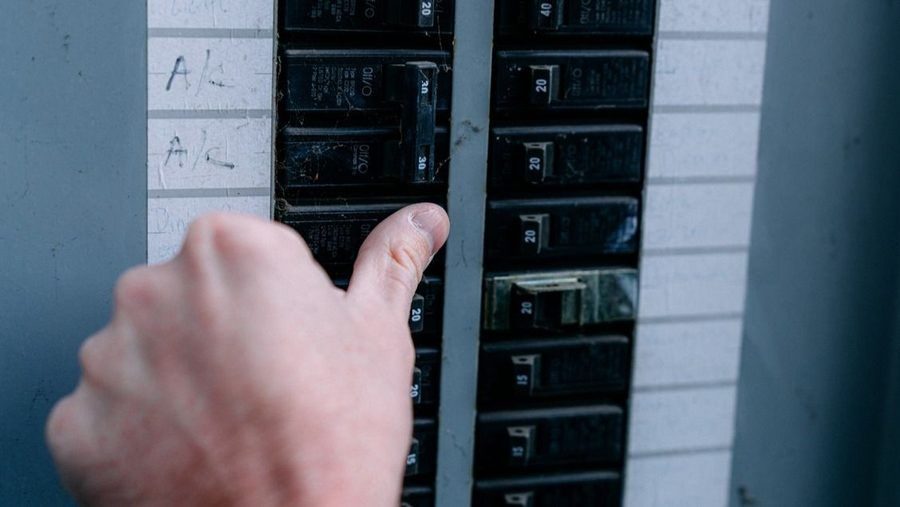
A whole-home surge protective device is usually installed at or near the main electrical panel. It monitors incoming voltage and reacts when a surge enters the electrical system.
The device generally works by:
-
Detecting excess voltage
-
Redirecting the surge away from connected circuits
-
Sending excess energy toward the grounding system
-
Reducing the voltage that reaches home equipment
The process happens almost instantly.
A surge protector does not store electricity, prevent outages, or generate backup power. Its purpose is to limit the amount of excess voltage traveling through the home.
Proper installation is important because the device must be connected correctly to the electrical panel and grounding system.
What Whole-Home Surge Protection Can Help Protect
Modern homes contain more electronic components than many homeowners realize. Even equipment that does not look like a computer may contain control boards, sensors, displays, and communication modules.
Whole-home surge protection may help reduce risk to:
-
Air conditioners and heat pumps
-
Furnaces and air handlers
-
Smart thermostats
-
Refrigerators and freezers
-
Dishwashers
-
Washing machines and dryers
-
Electric ranges and ovens
-
Water heaters
-
Televisions
-
Desktop computers
-
Routers and networking equipment
-
Security systems
-
Garage door openers
-
Smart lighting
-
Charging equipment
-
Home automation devices
The exact level of protection depends on the surge, the device rating, the home’s grounding system, and how the equipment is connected.
No surge protector can guarantee that every device will survive every electrical event. However, whole-home protection can reduce exposure across the electrical system.
Why HVAC Equipment Is Especially Vulnerable
Your cooling system contains several electrical components that may be damaged by voltage spikes.
These can include:
-
Capacitors
-
Contactors
-
Compressor components
-
Blower motors
-
Thermostats
-
Circuit boards
-
Sensors
-
Variable-speed controls
Newer HVAC systems often rely on advanced electronics to manage airflow, temperature, humidity, and efficiency. These features can improve performance, but they may also be sensitive to unstable voltage.
Lakeland air conditioners already work hard during long periods of heat and humidity. A storm-related electrical surge can add sudden stress to equipment that is operating frequently.
Surge protection may help reduce the risk of an electrical event causing an unexpected cooling failure during hot weather.
Can Surge Protection Protect Plumbing Equipment?
Many plumbing systems now contain powered components or electronic controls.
Whole-home surge protection may help protect equipment such as:
-
Electric water heaters
-
Tankless water heaters
-
Well pumps
-
Sewage ejector pumps
-
Sump pumps
-
Water softeners
-
Filtration systems
-
Recirculation pumps
-
Smart leak detectors
-
Automatic water shutoff valves
Protection depends on how the equipment is wired. Hardwired devices connected through the main panel may benefit from panel-level surge protection.
Some equipment may also require additional protection recommended by the manufacturer.
A surge protector cannot prevent water damage caused by a plumbing leak or mechanical failure. It only addresses certain electrical voltage events.
Can It Protect Major Appliances?
Many modern appliances depend on electronic control boards.
A refrigerator may contain digital temperature controls, sensors, compressor electronics, and display components. Washing machines and dishwashers may use electronic controls to regulate cycles, water levels, and motor operation.
Voltage spikes can affect:
-
Control boards
-
Displays
-
Sensors
-
Motors
-
Relays
-
Internal wiring
-
Communication modules
Damage may be immediate, or the appliance may continue operating while an electronic component has been weakened.
Whole-home surge protection provides a first layer of defense for appliances that cannot be connected to ordinary plug-in surge strips.
What About TVs, Computers, and Smart Devices?
Sensitive electronics can be damaged by much smaller surges than some traditional appliances.
Examples include:
-
Televisions
-
Computers
-
Gaming systems
-
Modems
-
Routers
-
Smart speakers
-
Security cameras
-
Smart thermostats
-
Home office equipment
-
Charging stations
Whole-home protection can reduce the voltage entering the electrical system, but point-of-use protection may still be useful for especially valuable electronics.
A layered approach can provide protection at the panel and again near the device.
Equipment connected through cable, phone, or internet lines may also face surge exposure through those pathways. Electrical protection alone may not cover every communication connection.
What Whole-Home Surge Protection Cannot Do
Whole-home surge protection has important limitations.
It cannot:
-
Prevent a power outage
-
Provide electricity during an outage
-
Replace a generator or battery system
-
Guarantee protection from a direct lightning strike
-
Correct damaged wiring
-
Repair an unsafe electrical panel
-
Stop overloaded circuits
-
Prevent flooding
-
Protect against every equipment failure
-
Fix grounding or bonding problems
A surge protector may be damaged while protecting the home and eventually require replacement. Many devices include an indicator showing whether protection is still active.
Homeowners should understand how that indicator works and have the unit inspected after significant electrical events when appropriate.
Why Plug-In Surge Strips Are Not the Same
A plug-in surge strip protects only the devices connected directly to it.
It does not normally protect:
-
Central air conditioning equipment
-
Hardwired water heaters
-
Refrigerators on dedicated outlets
-
Electric ranges
-
Washing machines
-
Dryers
-
Garage door openers
-
Built-in lighting
-
Other electrical circuits
Not every power strip is a surge protector. Some products simply add extra outlets without providing meaningful surge protection.
Whole-home surge protection is installed at the electrical panel and covers connected circuits throughout the home. Plug-in devices can then provide an additional layer for selected electronics.
Why Layered Surge Protection Offers Better Coverage
Layered protection uses more than one type of surge protective device.
A common strategy may include:
-
Whole-home protection at the electrical panel
-
Quality plug-in surge protection for electronics
-
Protection for cable or communication lines
-
Equipment-specific protection where recommended
-
Proper grounding and bonding
Panel-level protection handles surges entering the main electrical system. Point-of-use protection can reduce any remaining voltage before it reaches sensitive electronics.
This approach may be especially useful for home offices, entertainment systems, networking equipment, and smart home devices.
Signs Your Home May Benefit From Surge Protection
Whole-home surge protection may be worth considering if:
-
Lakeland storms frequently interrupt your power
-
Your home contains newer appliances
-
You rely on central air conditioning
-
You work from home
-
You have smart home equipment
-
You have experienced previous surge damage
-
Lights flicker during storms
-
Utility service is sometimes unstable
-
You recently upgraded your electrical panel
-
You want added protection for hardwired systems
You do not need to wait until equipment is damaged before considering installation.
Surge protection is preventive. Once a voltage spike damages a control board or appliance, installing protection cannot reverse that damage.
What to Consider Before Installation
A licensed electrician should evaluate the electrical system before installing a whole-home surge protector.
Important factors include:
-
Electrical panel condition
-
Available panel space
-
Service size
-
Surge protector rating
-
Manufacturer requirements
-
Installation location
-
Grounding and bonding
-
Local electrical requirements
-
Device warranty
-
Replacement indicators
An older or damaged panel may need repair or replacement before surge protection can be installed safely.
Homeowners should also ask whether the device protects both electrical phases and how they can tell when the unit is no longer active.
Why Grounding and Bonding Matter
A surge protective device needs a safe path for excess electrical energy.
The grounding system helps direct that energy away from home circuits. Bonding connects metal components so they remain at a similar electrical potential.
Problems with grounding or bonding can reduce surge protection performance and create other electrical safety concerns.
Warning signs may include:
-
Corrosion near the panel
-
Improper grounding connections
-
Older ungrounded outlets
-
Electrical shocks from metal equipment
-
Previous unpermitted electrical work
A surge protector cannot correct these conditions by itself. The electrician may recommend repairs before or during installation.
When to Schedule an Electrical Inspection
Surge protection installation is also an opportunity to evaluate the condition of the electrical system.
Schedule an inspection if you notice:
-
Frequent breaker trips
-
Flickering lights
-
Warm outlets or switches
-
Buzzing from the panel
-
Burning odors
-
Visible corrosion
-
Scorch marks
-
An outdated electrical panel
-
Previous lightning or storm damage
-
Equipment failures after outages
These symptoms may point to loose connections, overloaded circuits, panel damage, or other problems unrelated to surges.
Electrical warning signs should be evaluated promptly. Surge protection should be part of a safe electrical system, not a substitute for necessary repairs.
Protect Your Lakeland Home Before the Next Storm
Whole-home surge protection can help reduce the risk of voltage damage to HVAC equipment, appliances, water heating systems, electronics, and smart home devices during Lakeland summer thunderstorms. It provides broader coverage than plug-in surge strips alone, especially for hardwired equipment.
The right device must be properly matched to the electrical panel and supported by safe grounding and bonding.
Watts A/C, Plumbing & Electric can inspect your electrical system, explain your surge protection options, and install a device suited to your home. To add another layer of protection before the next summer storm, contact us today to schedule electrical service.

Brilliant Solutions for Your Home
From everyday repairs to complete system upgrades, we deliver expert home comfort solutions tailored to your needs. Our team focuses on long-term reliability, efficiency, and comfort you can feel in every room.