Proudly Serving Lakeland, FL and Polk County
Is Your Older Lakeland Home’s Electrical Panel Ready for Modern Demands in Polk County?


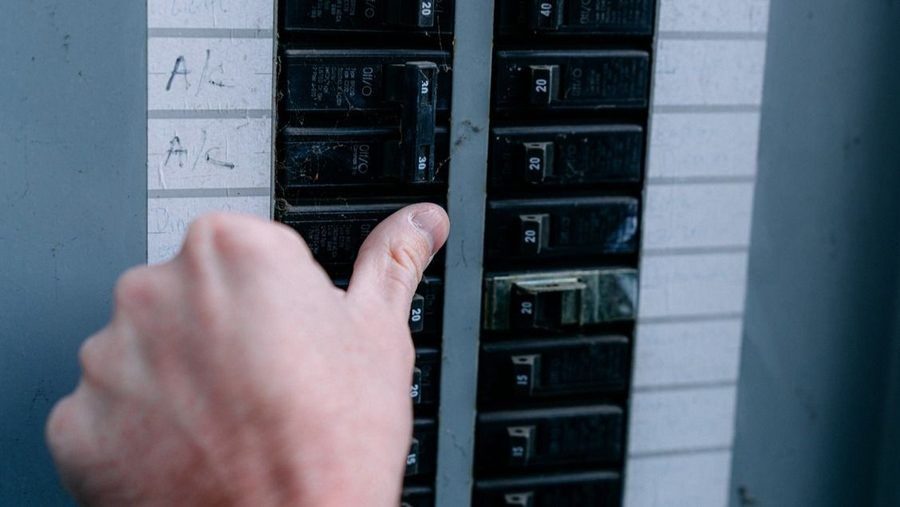
Older homes throughout Lakeland and Polk County have plenty of character, but their electrical systems weren’t necessarily designed for today’s household demands. Modern air conditioning systems, kitchen appliances, home offices, and electric vehicle chargers can put added strain on electrical infrastructure installed decades ago. While an older electrical panel may still function properly, you need to know whether it has the capacity and condition to support your household safely.
Electrical panels distribute electricity throughout your home, directing power to individual circuits and providing protection against certain electrical faults. When equipment becomes damaged, outdated, or no longer meets current electrical needs, homeowners may face problems ranging from frequently tripping breakers to serious safety concerns.
In this guide, we’ll explain how modern electrical demands affect older Lakeland homes, the warning signs of panel problems, and when an electrical panel upgrade may be the right investment.
Why Do Older Lakeland Homes Face Modern Electrical Challenges?
Many established neighborhoods throughout Lakeland, Winter Haven, and surrounding Polk County communities contain homes built before today’s electrical technologies became common. Their original electrical systems were designed around the appliances and household electricity demands of that time.
Over the years, homeowners may have added larger appliances, upgraded air conditioning equipment, renovated kitchens, or installed additional electrical devices.
These improvements can change a home’s electricity needs, even when the original electrical panel remains in place.
Modern electrical demands may include:
-
Air conditioning systems: Central Florida’s hot, humid weather makes reliable cooling essential.
-
Kitchen appliances: Electric ranges, ovens, and other equipment can require dedicated circuits.
-
Electric vehicle chargers: Home charging equipment may add substantial electrical demand.
-
Pool and spa equipment: Pumps, heaters, and other components require appropriate electrical connections.
-
Home additions: Expanded living spaces may require additional circuits.
-
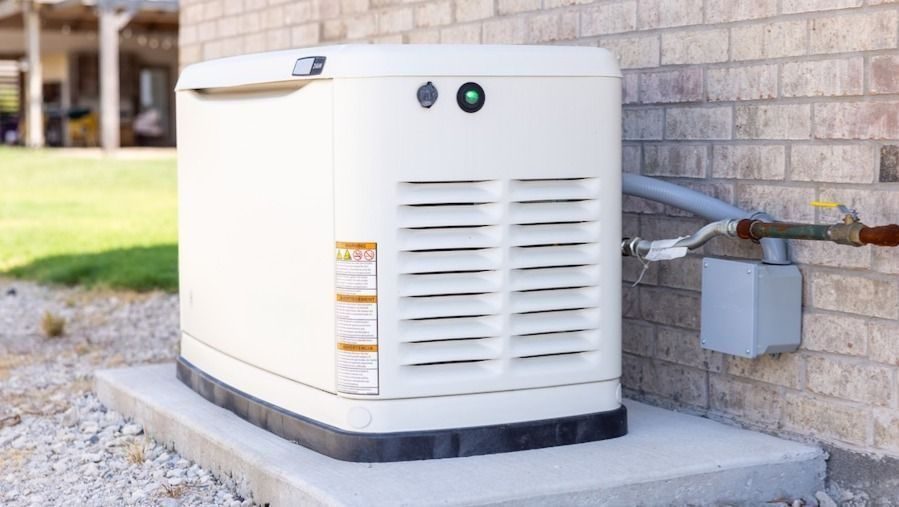
Backup power equipment: Generator connections and related systems require proper electrical planning.
Not every new appliance requires a panel replacement. However, significant electrical additions should prompt an evaluation of available circuit space and overall service capacity.
A professional electrician can determine whether the existing electrical system can accommodate these changes.
What Are the Warning Signs Your Electrical Panel May Be Overloaded?
Electrical panel problems don’t always involve a complete power outage. Homeowners may notice smaller changes in electrical performance before more serious issues develop.
One common warning sign is a circuit breaker that trips frequently. Breakers interrupt electricity when overloads or faults occur, helping protect wiring and connected equipment.
An occasional trip may result from using too many devices on one circuit. Repeated trips, however, deserve professional evaluation.
Other warning signs include:
-
Flickering or dimming lights: Changes in lighting may indicate electrical connection problems or other system issues.
-
Buzzing or crackling sounds: Unusual noises near the panel can signal potentially hazardous conditions.
-
Burning odors: A burning smell near electrical equipment requires immediate attention.
-
Unusual warmth: Excessive heat around a panel may indicate a problem.
-
Visible corrosion: Rust, moisture damage, or deterioration can affect electrical components.
-
Limited breaker space: Insufficient room for additional circuits may complicate future upgrades.
-
Repeated electrical problems: Recurring issues can point to underlying wiring or equipment problems.
These symptoms don’t necessarily mean you need to replace the entire panel. Some problems originate from individual circuits, appliances, or electrical connections.
However, treat burning odors, smoke, sparking, or unusual heat as urgent safety concerns.
Avoid touching or opening suspect electrical equipment. Contact a qualified electrician or emergency services when appropriate.
Is a 100-Amp Electrical Panel Enough for a Modern Home?
One of the most common questions homeowners ask is whether they should upgrade from 100-amp to 200-amp electrical service.
The answer depends on the home’s actual electrical needs, not its age alone.
A 100-amp service may be sufficient for smaller homes or properties with relatively modest electrical demands. Other households may need additional capacity for electric appliances, HVAC equipment, vehicle charging, or planned renovations.
A 200-amp service can accommodate higher electrical demand, but not every Lakeland home needs one. A professional load calculation should determine electrical capacity by considering connected equipment and applicable electrical demand factors.
It’s also important to distinguish between available breaker spaces and total service capacity. A panel may have unused breaker spaces but insufficient capacity for a major new electrical load. Conversely, a home may have adequate overall capacity but need additional properly designed circuits.
An electrician can evaluate both conditions before recommending equipment changes.
How Can Florida’s Heat, Humidity, and Storms Affect Electrical Equipment?
Florida’s climate introduces additional considerations for maintaining residential electrical systems.
Lakeland experiences hot, humid weather and frequent thunderstorms during portions of the year. Electrical equipment may also be exposed to moisture depending on its location and the condition of surrounding structures.
Panels installed in garages, utility areas, or other locations can experience different environmental conditions. Moisture intrusion is particularly concerning because it can contribute to corrosion and deterioration of electrical connections.
Storms can also cause electrical disturbances, including power surges from lightning or utility events.
Potential concerns include:
-
Water entering electrical panel enclosures.
-
Corrosion affecting breakers or connections.
-
Damaged electrical components following storms.
-
Deteriorated grounding or bonding connections.
-
Electrical damage caused by flooding or significant water exposure.
Normal Florida humidity doesn’t automatically make an indoor electrical panel unsafe. However, visible corrosion, water damage, or unusual electrical behavior warrants professional attention.
Whole-home surge protection may provide additional protection against certain voltage surges, although it cannot prevent every type of electrical damage.
If electrical equipment has been submerged or exposed to floodwater, don’t restore power before a professional evaluates it.
When Should You Repair, Upgrade, or Replace Your Electrical Panel?
Not every electrical panel problem requires complete replacement. The right solution depends on the equipment’s condition, available capacity, and the underlying cause.
For example, you can replace a defective circuit breaker when the panel remains in good condition. If a homeowner needs power for a new appliance, a dedicated circuit may suffice when the existing electrical system has adequate capacity.
However, other situations may justify a larger upgrade. A panel with significant corrosion, physical damage, or obsolete components may require replacement. Similarly, a home with insufficient electrical service capacity may need a service upgrade to support additional equipment.
Homeowners should consider professional evaluation when:
-
Electrical problems continue after previous repairs.
-
The panel shows visible deterioration.
-
Major appliances or electrical equipment are being added.
-
Existing service capacity may be insufficient.
-
Breaker spaces are limited.
-
The panel contains equipment with documented safety concerns.
Never replace a tripping breaker with a higher-amperage breaker simply to prevent interruptions.
Circuit breakers must match the wiring and equipment they protect. Installing an incorrectly rated breaker can create serious electrical hazards.
A qualified electrician can identify whether repairs, additional circuits, panel replacement, or a service upgrade is appropriate.
What Are the Benefits of Upgrading Your Home’s Electrical Panel?
When an electrical panel upgrade is necessary, the improvements can extend beyond simply replacing older equipment.
One potential benefit is additional electrical capacity. A properly designed upgrade can help accommodate modern appliances and planned electrical additions when existing service is insufficient.
Replacing deteriorated equipment can also address safety concerns from damaged components or compromised connections. A new panel can provide an opportunity to organize circuits appropriately and incorporate protective devices required by applicable electrical codes.
For homeowners planning future renovations, an appropriately sized electrical system may also simplify certain upgrades. However, installing a new electrical panel doesn’t automatically reduce monthly electricity bills.
Electrical panels distribute power rather than directly determining how much energy household appliances consume. The main benefits usually include increased electrical capacity, improved equipment condition, proper circuit protection, and compatibility with household needs.
What Should Lakeland Homeowners Expect During an Electrical Panel Upgrade?
Electrical panel replacement is a complex project that qualified electrical professionals should perform. The process typically begins with an inspection of the existing electrical system.
An electrician evaluates the panel, service equipment, visible wiring conditions, and the household’s electrical requirements. A load calculation helps determine whether the existing service is adequate or additional capacity is needed.
Once the electrician selects the right equipment, the project may involve obtaining permits and coordinating with the electrical utility. Installation can include replacing the panel, updating necessary connections, and evaluating grounding and bonding requirements.
After installation, the system must be tested and any required inspections completed. The exact process depends on the home’s electrical configuration, the project scope, and applicable local requirements.
Homeowners should never attempt to replace an electrical panel themselves. Electrical service equipment can present serious shock and electrocution hazards, even when certain breakers are switched off.
Schedule an Electrical Panel Evaluation With Watts Air Conditioning, Plumbing & Electric
Older Lakeland homes can continue operating safely with properly maintained electrical systems, but changing household demands may make professional evaluation worthwhile. Frequent breaker trips, visible panel deterioration, and plans for major electrical additions are all reasons to check whether your existing equipment still meets your needs.
At Watts Air Conditioning, Plumbing & Electric, we help homeowners throughout Lakeland and Polk County address electrical concerns and prepare their homes for modern demands. Whether your property needs electrical repairs, additional circuits, or a complete panel upgrade, professional guidance can help identify the right solution.
If you’re concerned about an aging electrical panel or planning improvements that could increase your home’s electrical needs, don’t wait for recurring problems to get worse. Contact Watts Air Conditioning, Plumbing & Electric today to schedule an electrical evaluation and explore safe, practical solutions for your Polk County home.


Brilliant Solutions for Your Home
From everyday repairs to complete system upgrades, we deliver expert home comfort solutions tailored to your needs. Our team focuses on long-term reliability, efficiency, and comfort you can feel in every room.