Proudly Serving Lakeland, FL and Polk County
Choosing a Whole-Home Generator for Your Florida Property: What Lakeland Homeowners Need to Know


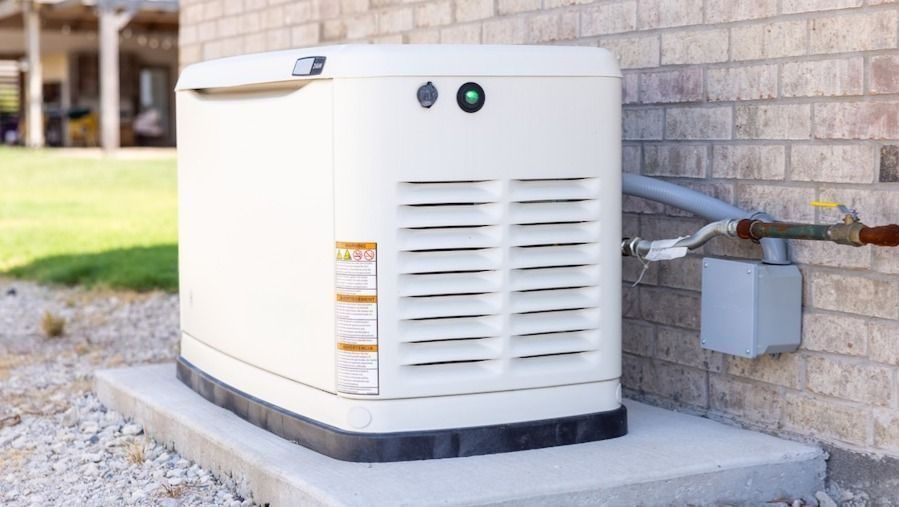
A whole-home generator can make a major difference during a Florida power outage, but choosing one involves more than picking a brand or the largest model available. The right system depends on how much of your home you want to power, the electrical load of major appliances, the available fuel source, your electrical panel, and the conditions around the installation site.
In this guide, you will learn what Lakeland homeowners should consider before installing a standby generator, including generator sizing, natural gas versus propane, transfer switches, permitting, installation costs, and ongoing maintenance. A well-planned system should provide the power you need without adding unnecessary capacity or overlooking key electrical and fuel requirements.
What Should You Consider Before Choosing a Whole-Home Generator?
The best whole-home generator matches your home, your priorities, and how you expect to live during an outage. Some homeowners want enough backup power to run the air conditioning, refrigerator, lights, and essential outlets. Others want to operate nearly everything in the house as normally as possible.
Before choosing equipment, consider the following:
-
Which appliances and circuits must remain powered
-
How much electrical capacity those loads require
-
Whether natural gas or propane is available
-
Where the generator can be installed
-
Whether your electrical panel is ready for the project
-
What type of automatic transfer equipment is required
-
Local permitting and inspection requirements
-
Long-term maintenance needs
Making these decisions first gives you a stronger foundation for choosing generator capacity and estimating the installation scope.
How Big Does Your Whole-Home Generator Need to Be?
Generator sizing should be based on electrical demand, not simply the square footage of the home. Two Lakeland homes of similar size can require very different generator capacities depending on their appliances, HVAC equipment, water heating, pool systems, and other electrical loads.
A load evaluation may include central air conditioning, refrigerators and freezers, lighting, kitchen appliances, water heaters, pumps, home offices, medical equipment, security systems, pool equipment, and other circuits the homeowner wants available during an outage. Large motors and compressors also deserve special attention because some equipment requires significantly more power for a brief period during startup than it does while running normally.
That makes central air conditioning especially important in Florida. If keeping the AC running is a priority during an outage, include its electrical requirements in the generator calculation from the start.
Oversizing the generator is not necessarily better. Larger equipment can increase the purchase price, fuel requirements, and installation complexity. The goal is to select enough capacity for the intended loads while avoiding unnecessary excess.
Do You Need to Power the Entire House During an Outage?
Not every homeowner needs every circuit available during a power failure. What matters most can significantly affect generator size and project cost.
For many Lakeland households, essential loads may include:
-
Central air conditioning
-
Refrigerator and freezer
-
Interior lighting
-
Internet equipment
-
Medical devices
-
Selected kitchen circuits
-
Garage door equipment
-
Well equipment where applicable
Other loads may be less important during a temporary outage. An electric clothes dryer, electric range, pool heater, or electric vehicle charger can require substantial power and may increase the generator capacity needed to support the house.
Some systems can also use load-management equipment to prioritize certain appliances instead of running every high-demand load at the same time. That approach may let homeowners keep the functions they care about most without installing a larger generator just to cover occasional peak demand.
The right setup depends on what you consider essential during an extended outage.
Should You Choose a Natural Gas or Propane Generator?
Both natural gas and propane are commonly used for standby generators, and neither fuel is automatically the best choice for every Florida property. The decision depends largely on what is already available at the home and how you want fuel to be supplied during an outage.
Natural gas can be convenient for properties that already have utility gas service. The generator can draw from the home’s gas supply without relying on an on-site storage tank. Before installation, however, evaluate the gas system to confirm the service and piping can provide enough fuel for the generator and other gas appliances.
Propane gives homeowners an on-site fuel supply and can be an option where natural gas service is unavailable. The property needs sufficient space for an appropriately sized tank, and homeowners must consider how long the stored fuel is expected to support the generator under the anticipated load.
Plan fuel needs before selecting the final generator. A generator may have enough electrical capacity for the home but still perform poorly if the fuel system cannot deliver the required volume.
What Does an Automatic Transfer Switch Do?
An automatic transfer switch is a key component that separates a permanently installed standby generator from a basic portable-generator setup.
When utility power fails, the transfer switch detects the outage, disconnects the home from the utility source, and allows the generator to supply power to the selected circuits or electrical service. When utility power returns, the transfer switch moves the home back to normal utility service and allows the generator to complete its shutdown process.
This automatic operation is particularly useful when an outage occurs overnight or while no one is home. The homeowner does not need to move a portable generator outside, run extension cords, or manually reconnect household loads.
The transfer switch also serves an important electrical purpose by keeping generator power isolated from the utility system during operation.
What Makes Generator Installation Different in Florida?
Florida weather makes generator placement and installation planning especially important. A standby generator is permanently installed outdoors, so it must function through heat, humidity, rain, and storm conditions while remaining accessible for inspection and service.
Installation planning may need to account for:
-
Manufacturer clearance requirements
-
Distance from doors, windows, and openings
-
Exhaust direction
-
Stable mounting or pad requirements
-
Drainage around the installation area
-
Fuel-line routing
-
Electrical connections
-
Storm exposure
-
Service access
Don’t place the generator wherever there happens to be open space. The installation location must work with the equipment, the home, applicable codes, fuel access, and electrical routing.
Florida homeowners should also consider what happens after a severe storm. The unit must remain accessible for inspection, maintenance, and possible repair, even though it is installed in an area designed to withstand outdoor conditions.
Does a Whole-Home Generator Need a Permit in Lakeland?
Whole-home generator installations generally involve several building systems, including electrical work and, depending on the fuel source, gas or propane connections. That means the project may require local permits, documentation, and inspections before you can put the generator into service.
A professional installation may involve reviewing the generator location, electrical connections, transfer equipment, mounting details, and fuel system. The exact requirements depend on the property and project scope.
This is one reason generator installation should be planned as a complete home-system project rather than treated as the simple delivery of equipment. Permitting and inspections help confirm that the generator, transfer equipment, and supporting systems have been installed appropriately for the property.
Homeowners should ask whether the installation proposal includes permitting and which inspections will be required before approving the project.
Could Your Electrical System Need Upgrades Before Generator Installation?
Possibly. A generator ties directly into the home’s electrical system, so the condition and configuration of the existing service equipment can affect the project.
Before installation, an electrician may need to evaluate:
-
Electrical panel condition
-
Service rating
-
Available panel space
-
Transfer-switch compatibility
-
High-demand circuits
-
Existing wiring
-
Load-management options
-
Generator connection points
An older or crowded panel doesn’t automatically mean it must be replaced, but you should identify existing electrical limitations before ordering generator equipment.
This evaluation is also useful when homeowners are planning other electrical upgrades, such as adding an EV charger, pool equipment, or new high-demand appliances. Those changes can affect the home’s electrical load and may influence generator planning.
What Factors Affect the Cost of a Whole-Home Generator?
No single whole-home generator price applies to every Lakeland property because the generator is only part of the project. Installation conditions and supporting work can change the total substantially.
Important cost factors include:
-
Generator capacity
-
Equipment brand and configuration
-
Automatic transfer equipment
-
Natural gas or propane requirements
-
Fuel-line installation
-
Propane tank requirements
-
Distance between the generator and electrical equipment
-
Site preparation
-
Electrical modifications
-
Panel upgrades
-
Load-management equipment
-
Permitting and inspections
-
Installation complexity
A smaller generator installed close to an existing electrical panel and a suitable fuel source is usually a different project from a larger system that requires extensive electrical or fuel modifications.
For that reason, homeowners should compare complete installation proposals rather than comparing generator equipment prices alone. The proposal should make clear what is included, what work is required, and whether additional electrical or fuel-system changes are expected.
What Maintenance Does a Standby Generator Need?
Don’t treat a standby generator as equipment you can install and forget until the next hurricane. It may spend months waiting for an outage, so routine testing and maintenance matter.
Depending on the generator and manufacturer recommendations, maintenance may include oil and filter service, battery inspection, cleaning, fuel-system checks, electrical inspection, reviewing fault codes, and confirming automatic transfer operation. Many systems also run periodic exercise cycles to help verify that the engine can start and operate.
Watch for warning lights or fault messages instead of assuming the generator is ready just because it worked during the previous outage. Battery problems, maintenance issues, or fuel-related conditions can develop while the system is sitting unused.
A standby generator provides the most value when it starts automatically the moment utility power fails. Routine service helps make that outcome more dependable.
Choose Backup Power Before the Next Outage Tests Your Home
Choosing a whole-home generator for a Lakeland property starts with understanding what you want the system to power. Generator capacity, fuel source, electrical demand, transfer equipment, installation location, permitting, and maintenance must all work together.
The best system is not necessarily the biggest generator available. It is the one properly sized and installed for your home’s electrical loads and your priorities during an outage. Planning ahead also gives you time to compare options without rushing a decision as a major storm approaches.
Watts AC, Plumbing & Electric helps Lakeland homeowners evaluate standby generator options, electrical requirements, transfer equipment, and installation needs. If you are considering backup power for your Florida home, contact us today to discuss a whole-home generator solution that fits your property.


Brilliant Solutions for Your Home
From everyday repairs to complete system upgrades, we deliver expert home comfort solutions tailored to your needs. Our team focuses on long-term reliability, efficiency, and comfort you can feel in every room.