Proudly Serving Lakeland, FL and Polk County
How Indoor Air Quality Changes in Early Spring in Lakeland and What You Can Do


As the oak trees begin their annual bloom, Lakeland residents are greeted by the familiar yellow dusting that covers every car and porch in Polk County. While the weather is beautiful, this seasonal transition marks a significant change in how your home’s ventilation system operates. The combination of rising pollen counts and the first waves of Florida’s signature humidity can quickly degrade your living environment.
In this blog, we will discuss the factors that impact indoor air quality in Lakeland during the early spring and the proactive steps you can take to keep your family breathing comfortably.
The Pollen Paradox: Keeping the Outdoors Out
During a Lakeland spring, oak and pine trees release massive amounts of pollen that settle on every available surface. While we usually think of this as an outdoor nuisance, these microscopic particles are experts at infiltrating your home. Every time a door opens, or your AC system pulls in air through small gaps in your windows and ductwork, pollen enters your living space. Because modern homes are designed to be airtight for energy efficiency, these allergens become trapped inside and recirculate through the HVAC system.
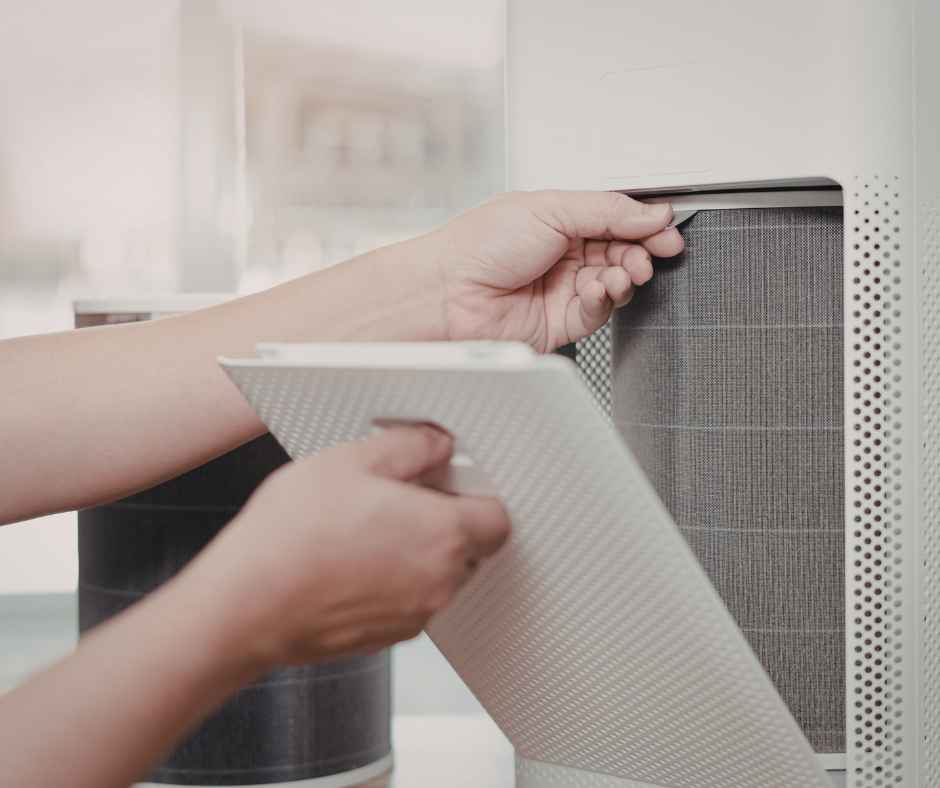
Managing this infiltration is the first step in protecting your indoor air quality in Lakeland. Standard air filters are often overwhelmed by the sheer volume of particles during the peak of the bloom. If your filter is clogged, it cannot capture new particles, allowing them to settle into your carpets and upholstery, where they can be stirred back into the air by daily activity.
- Pollen Traps: Soft surfaces like rugs and curtains attract spring allergens.
- Seal Integrity: Gaps in weatherstripping allow unfiltered air to bypass your HVAC system.
- Filter Saturation: High pollen counts require more frequent filter changes to maintain airflow.
- Track-In Effect: Pets and shoes carry significant amounts of pollen directly into your bedrooms.
Addressing these entry points requires a combination of behavioral changes and mechanical upgrades. This proactive approach keeps your living environment cleaner and prevents your HVAC system from working harder than necessary to scrub the air.
Humidity and the “Spring Sticky”: Mold Prevention
While early spring in Lakeland often brings pleasant mornings, the afternoons mark the return of Central Florida’s signature humidity. When the moisture levels in your home rise above sixty percent, you may notice a “sticky” feeling on your skin or a faint musty odor. This environment is the primary catalyst for mold and mildew growth within your ductwork and on your cooling coils. Protecting the indoor air quality in Lakeland means keeping your home’s relative humidity between forty and fifty percent to discourage biological growth.
Your air conditioner acts as a dehumidifier, but it only removes moisture when it is actively cooling the air. During the mild days of early spring, your system may not run long enough to effectively wring the water out of the air. This “short cycling” leaves excess moisture, which can cause condensation in your vents. Without proper intervention, these damp areas become breeding grounds for spores that are then blown into every room of your house.
- Condensate Management: A clogged drain line can trap standing water inside your air handler, creating a localized humidity spike.
- Coil Contamination: Damp cooling coils attract dust and pollen, forming a “biofilm” that can release odors and allergens.
- Musty Odors: That “dirty sock” smell in the spring is often the first sign that moisture has allowed bacteria or mold to take hold.
- Surface Dampness: High humidity can cause moisture to accumulate on cold surfaces, such as windows or supply vents, leading to localized mildew.
Controlling this moisture is essential for both your health and the longevity of your HVAC system. By ensuring your condensate lines are clear and considering adding a whole-home dehumidifier, you can maintain a crisp, dry environment even during Florida’s most humid periods. These steps prevent minor moisture issues from escalating into costly remediation projects later in the year.
The Dust and Dander Cycle: High-Altitude Cleaning
The arrival of spring often triggers a deep-cleaning instinct, but the way you clean can significantly impact your indoor air quality in Lakeland. When you sweep, vacuum, or dust surfaces that have been undisturbed all winter, you are often launching a cloud of fine particles back into the air. In a Florida home where windows remain closed to keep out the heat, these particles can remain suspended for hours. This creates a cycle in which cleaning increases your exposure to pet dander, skin cells, and dried outdoor contaminants.
To break this cycle, it is important to use tools that capture dust rather than just moving it around. Traditional feather dusters or standard vacuum cleaners without specialized filters often exhaust fine dust back into the room through their vents. High-efficiency cleaning methods ensure that the allergens you “disturb” are permanently removed from your living space, preventing them from being pulled back into your return air vents and redistributed throughout the house.
- HEPA Filtration: Using a vacuum with a HEPA filter ensures that 99.97% of tiny particles are trapped inside the machine.
- Damp Dusting: Using a microfiber cloth or a damp rag prevents dust from becoming airborne during cleaning.
- Top-Down Strategy: Cleaning from the ceiling fans down to the floor ensures that any falling dust is captured during the final pass.
- Bedding Maintenance: Washing linens in hot water weekly kills dust mites that thrive during the more humid spring months.
By refining your cleaning techniques, you can enjoy a fresh home without compromising your respiratory health. Think of your spring cleaning as a partnership with your HVAC system; the more you capture manually, the less your air filter has to handle. This combined effort results in a noticeably fresher environment and reduces the strain on your air conditioner’s mechanical components.
Professional Solutions: Advanced Purification
While daily habits and cleaning routines help, some airborne threats require a more technical intervention. To achieve the highest indoor air quality standards in Lakeland, many homeowners are turning to integrated air purification systems. These devices are installed directly into your existing ductwork, allowing them to treat every cubic foot of air that passes through your home. Unlike portable room purifiers, whole-home solutions use your HVAC fan to deliver continuous, hospital-grade filtration and sterilization.
Advanced purification technology goes beyond simply trapping dust; it actively neutralizes pathogens and chemical vapors. In the Florida spring, when biological growth and pollen are at their peak, these systems provide a critical layer of defense. By neutralizing contaminants at the source, you ensure that the air emerging from your vents is as clean as possible before it reaches your family.
- UV Germicidal Lights: These lamps are positioned near the cooling coil to destroy mold spores and bacteria with ultraviolet light.
- Air Scrubbers: Using honeycomb-style catalysts and UV light, these devices create oxidizers that actively seek out and neutralize pollutants in the air and on surfaces.
- Polarized Media Filters: These electronic filters use a small electrical charge to “magnetize” particles, enabling them to trap contaminants much smaller than those captured by a standard paper filter.
- Whole-Home Dehumidifiers: These units operate independently of your AC to maintain a precise humidity level, eliminating the “damp” environment that supports mold growth.
Investing in professional purification is the most effective way to “set and forget” your home’s health. At Watts Air Conditioning, Plumbing & Electrical, we analyze your home layout and environmental considerations to recommend the system that delivers the greatest benefit. These upgrades not only protect your lungs but also keep your HVAC components cleaner, helping extend equipment lifespan and maintain high energy efficiency year-round.
Breathing Easier with Watts Air
Managing the shift in early spring air quality requires a combination of local knowledge and technical expertise. At Watts Air Conditioning, Plumbing & Electrical, we have been helping Polk County families breathe easier since 1979. As a family-owned business with over 45 years of experience, we understand the specific environmental challenges that Lakeland homeowners face every spring. We believe that your home should be a sanctuary where the air is as fresh as a Florida morning without the accompanying pollen and humidity.
Our team is dedicated to providing honest, straightforward solutions that go beyond simple repairs. Whether you need a comprehensive air quality evaluation, a high-efficiency filter upgrade, or a professional duct cleaning, we are here to help. Choosing Watts means partnering with a company that values your comfort and safety as much as you do. We don’t just fix units; we build long-term relationships based on trust and reliable performance. Contact us today to schedule your spring IAQ assessment and experience the difference that decades of local experience can make.
Frequently Asked Questions
Will a standard air filter protect me from Lakeland pollen?
Most standard 1-inch pleated filters are designed to protect your HVAC equipment from large debris, not necessarily your health. For better protection against fine pollen and allergens, we recommend upgrading to a higher MERV-rated filter or an electronic air cleaner.
How do I know if my indoor air quality is actually poor?
Common signs include persistent sneezing or coughing that only happens indoors, visible dust on surfaces shortly after cleaning, and musty or stale odors. A professional IAQ test can provide a definitive measurement of the pollutants in your home.
How often should I have my ducts cleaned in Florida?
In our humid climate, we generally recommend a professional duct inspection every three to five years. However, if you have pets, significant allergies, or have recently completed a home renovation, you may benefit from more frequent cleanings.
Does my air conditioner automatically remove humidity?
While air conditioners do remove some moisture during the cooling process, they are not dedicated dehumidifiers. In early spring, when the system runs less frequently, a separate dehumidifier is often necessary to maintain moisture levels.
Are UV lights in the AC system safe for my family?
Yes. These lights are installed inside the air handler, so there is no direct exposure to your eyes or skin. They are highly effective at neutralizing biological contaminants such as mold and bacteria as air passes through the system.


Brilliant Solutions for Your Home
From everyday repairs to complete system upgrades, we deliver expert home comfort solutions tailored to your needs. Our team focuses on long-term reliability, efficiency, and comfort you can feel in every room.