Proudly Serving Lakeland, FL and Polk County
The Clermont Homeowner’s Guide to AC Efficiency: Navigating the Lake County Climate


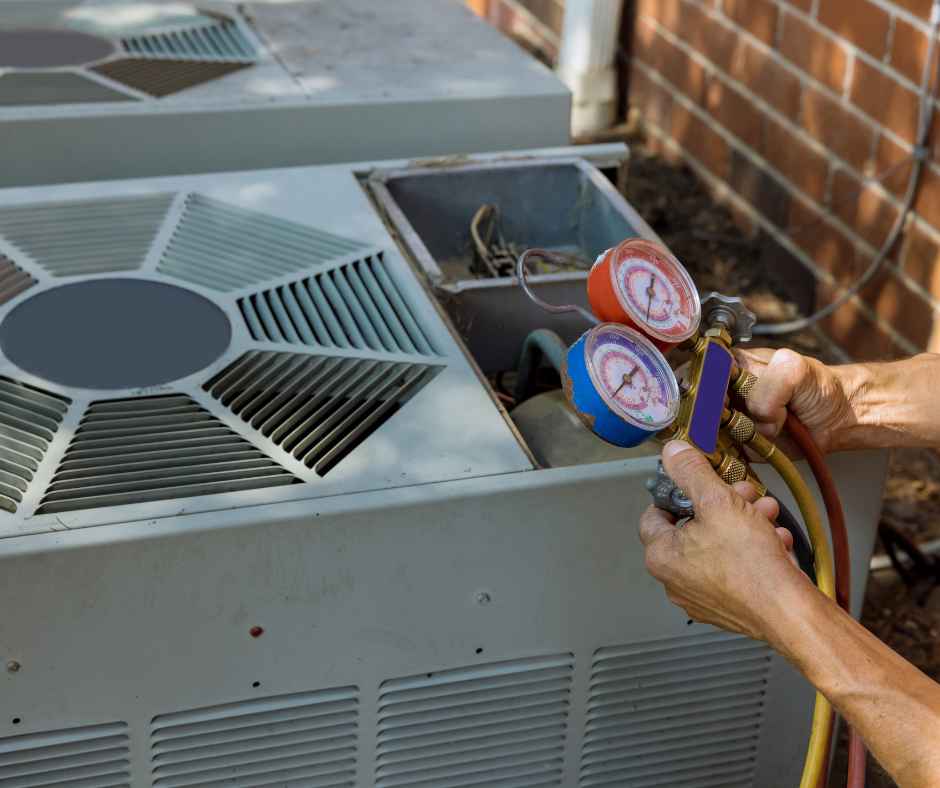
As spring arrives in Lake County, Clermont residents must prepare for the intense sun and rising temperatures characteristic of Central Florida’s interior. The rolling hills and numerous lakes of our region create a unique microclimate that demands high performance from residential cooling systems.
In this blog, we will discuss the essential strategies for maintaining peak air conditioning performance in the local climate. Taking a proactive approach to your home comfort system ensures your family stays cool even when outdoor humidity reaches its peak.
Understanding the Impact of Central Florida Humidity on Efficiency
Living in the heart of Lake County means dealing with an inland humidity that feels heavier because it is trapped by the local topography. This environmental factor directly impacts your AC maintenance needs because your system must act as a giant dehumidifier before it can effectively lower the temperature. When the air is saturated with water vapor, your air conditioner spends a significant portion of its energy cycle converting that vapor into liquid condensate. If your system is not properly calibrated to handle this latent heat load, your home may feel “clammy” even if the thermostat shows a low temperature. This often leads homeowners to lower the settings even further, which spikes energy bills and puts unnecessary strain on the compressor. Proper HVAC maintenance ensures that your blower motor and refrigerant levels are set to promote longer, lower-intensity cycles that “squeeze” the water out of your indoor air.
Efficient humidity management in a Clermont home involves several key factors:
- Verifying that the evaporator coil is clean to allow for maximum contact between the humid air and the cold refrigerant.
- Ensuring the blower motor is set to the correct speed to allow air enough “dwell time” over the cooling coils.
- Monitoring the condensate drainage system to ensure the water removed daily is safely exiting the home.
- Checking the integrity of the plenum and return ducts to prevent humid attic air from entering the system.
- Utilizing specialized dehumidification settings on modern thermostats to prioritize moisture removal.
- Inspecting window seals and weatherstripping to prevent exterior humidity from infiltrating the living space.
- Assessing the unit’s sizing to ensure it is not oversized and not causing poor dehumidification.
Optimizing Airflow for Clermont’s Hilly and Sun-Drenched Terrain
Clermont is famous for its rolling hills, which create varying elevations that can affect how heat interacts with your home. Homes perched on a ridge often face higher wind loads and more direct solar radiation than those in the valleys. This sun exposure means that south-facing rooms can become significant heat sinks, requiring your AC maintenance routine to include balanced airflow. If the air cannot circulate freely, certain zones of your home will remain stubbornly warm while others will be freezing. This imbalance forces the system to run longer to maintain the thermostat setting, leading to uneven wear on mechanical parts. Optimizing your airflow involves more than just keeping vents open: it requires a holistic look at how air moves from the supply registers back to the return air intake.
Thermal gain from the intense Florida sun can be mitigated by ensuring your attic insulation is at the correct R-value and that your ductwork is free of obstructions. In the hilly terrain of Lake County, dust and outdoor allergens can also settle in ductwork, creating friction that slows down the velocity of your conditioned air. By addressing these physical barriers to airflow, you allow your system to breathe. This reduces the static pressure on the blower motor and ensures that every corner of your home, regardless of its elevation or sun exposure, stays consistently cool.
To optimize airflow in a hilly or sun-drenched environment, consider these steps:
- Clearing obstructions, such as furniture or curtains, from all supply vents and return grilles.
- Checking the attic insulation levels to ensure they meet modern standards for heat resistance.
- Inspecting duct joints for air leaks that can waste up to thirty percent of your system’s cooling power.
- Using high-quality air filters that balance superior filtration with low resistance to airflow.
- Installing ceiling fans to help move air across the skin, allowing for a higher thermostat setting.
- Checking the outdoor condenser unit for any debris or proximity to walls that might restrict heat release.
- Balancing the dampers in your ductwork to redirect air to the warmest rooms in the house.
Critical Steps for Inland AC Maintenance and Dust Control
Inland cities like Clermont experience unique air quality challenges primarily due to the high concentration of oak and citrus pollen in Lake County. This fine particulate matter can quickly bypass low-quality filters and settle on the sticky surfaces of your evaporator coils, where it combines with moisture to create a thick coating that acts as an insulator. This insulation prevents the refrigerant from cooling the air effectively, which is why consistent AC maintenance in the home’s interior is just as critical as exterior work. Regularly replacing your air filters is the most effective way to prevent this buildup, protect the long-term health of your blower motor, and ensure that the air circulating through your bedrooms and living spaces remains healthy and free of allergens. By keeping the air path clean, you ensure the system does not have to fight internal friction or blocked pathways to deliver comfort, which directly translates into mechanical reliability.
To manage dust and maintain indoor air quality in Clermont, follow these critical steps:
- Upgrading to pleated air filters with a MERV rating between eight and eleven for superior dust capture.
- Changing filters every thirty days during the peak pollen seasons of spring and early summer.
- Wiping down the interior of the return air closet to prevent loose dust from being sucked into the unit.
- Scheduling a professional duct inspection to check for gaps where attic dust might be entering the system.
- Keeping all windows closed on high-pollen-count days to reduce the internal load on your filtration system.
- Cleaning the blades of your ceiling fans to prevent them from distributing dust throughout the room.
- Verifying that the air handler door is sealed tightly to prevent unfiltered air from bypassing the filter.
Electrical and Plumbing Synergies for Comprehensive Home Comfort
Watts Air Conditioning, Plumbing & Electric understands that the cooling system in a Clermont home does not operate in a vacuum: it is part of a complex network of electrical and plumbing connections. The frequent power surges and intense lightning common in Lake County can easily damage the sensitive control boards of a modern HVAC unit. Without proper surge protection, a single afternoon storm can cause a complete system failure requiring expensive repairs. Furthermore, the plumbing aspect of your air conditioner is just as vital as the electrical side. The condensate drain line is essentially a specialized plumbing pipe that carries gallons of water away from your home every day. If this line becomes clogged with algae or debris, it can cause the system to shut down or lead to water damage in your attic or living space. Integrating your HVAC maintenance with a focus on these supporting systems ensures that your home remains safe, dry, and powered throughout the summer.
To ensure the electrical and plumbing components of your cooling system are ready for the season, check the following items:
- Installing a dedicated whole-home surge protector to shield your HVAC electronics from Lake County storms.
- Inspecting the condensate drain line for signs of standing water or sludge buildup.
- Testing the emergency float switch to ensure it will shut the system off if a drain backup occurs.
- Checking the electrical disconnect at the outdoor unit for tight connections and signs of overheating.
- Verifying that the condensate pump, if your home uses one, is cycling correctly and discharging water.
- Monitoring your home’s main electrical panel for any tripped breakers or scorched wiring.
- Flushing the drain line with a professional-grade treatment to prevent biological growth during the humid months.
The Long-Term ROI of Local Professional Tune-Ups
While DIY checks are beneficial, the return on investment for professional HVAC maintenance in Lake County is significant. A professional technician can perform deep-cleaning tasks that most homeowners cannot, such as chemically cleaning the condenser coils and adjusting the refrigerant charge to factory specifications. This precision tuning reduces the energy needed to cool your home, lowering your monthly utility bills. In the long run, the biggest ROI comes from the equipment’s extended lifespan. A well-maintained system in Clermont can last years longer than one that is neglected, saving you thousands of dollars in premature replacement costs. Furthermore, many manufacturer warranties require documented annual maintenance to remain valid. By investing in a spring tune-up, you are not just buying a one-time service: you are securing the health and efficiency of your home’s most important mechanical system for years to come.
A professional Lake County tune-up provides several long-term benefits for your household:
- Improved energy efficiency reduces cooling costs during the peak of summer.
- Early detection of component wear prevents unexpected, costly emergency repairs.
- Enhanced indoor air quality through professional cleaning of internal system components.
- Verification that all safety controls are operational to protect your family and property.
- Optimization of the dehumidification process to prevent mold and moisture-related damage.
- Documented service history, which can increase the resale value of your Clermont home.
- Peace of mind knowing that your system is prepared to handle the most extreme Florida heat.
Secure Your Comfort with Year-Round System Reliability
Maintaining a high level of AC efficiency in the Clermont climate requires a dedicated approach to both DIY care and professional service. By understanding the unique humidity and terrain challenges of Lake County, you can take the necessary steps to protect your home.
Watts Air Conditioning, Plumbing & Electric is committed to helping our neighbors enjoy reliable, cost-effective comfort year-round. Whether you need a simple inspection or a complex electrical upgrade, our team has the local expertise to get the job done right. To ensure your home is ready for the upcoming summer surge, contact us today.
FAQ: Lake County AC Efficiency
Why does my AC struggle more in Clermont than it did in other parts of the country?
The “Florida Alps” of Clermont create pockets of trapped heat and high inland humidity. Your system must work harder to remove moisture from the air before it can effectively lower the temperature, placing greater demand on the equipment.
Can a clogged plumbing drain line really shut down my entire air conditioner?
Yes, most modern systems in Lake County are equipped with a safety float switch. If the condensate drain line clogs, the switch detects the rising water and cuts power to the unit to prevent indoor flooding.
How does Lake County’s hilly terrain affect my outdoor unit?
Units located on slopes or in areas with high sun exposure may experience restricted airflow or excessive heat gain. It is vital to ensure the unit is level and has enough clearance to exhaust heat efficiently.
Will a surge protector really save my air conditioner during a Central Florida storm?
Absolutely. The electronics in modern high-efficiency units are very sensitive. A surge protector can divert excess voltage away from the control boards, potentially saving you thousands in repair costs.
What is the most common cause of “musty” smells in Clermont homes during the spring?
This is often caused by a combination of high humidity and dust buildup on the evaporator coils or in the drain pan. Regular cleaning and moisture management are essential to prevent these odors.



Brilliant Solutions for Your Home
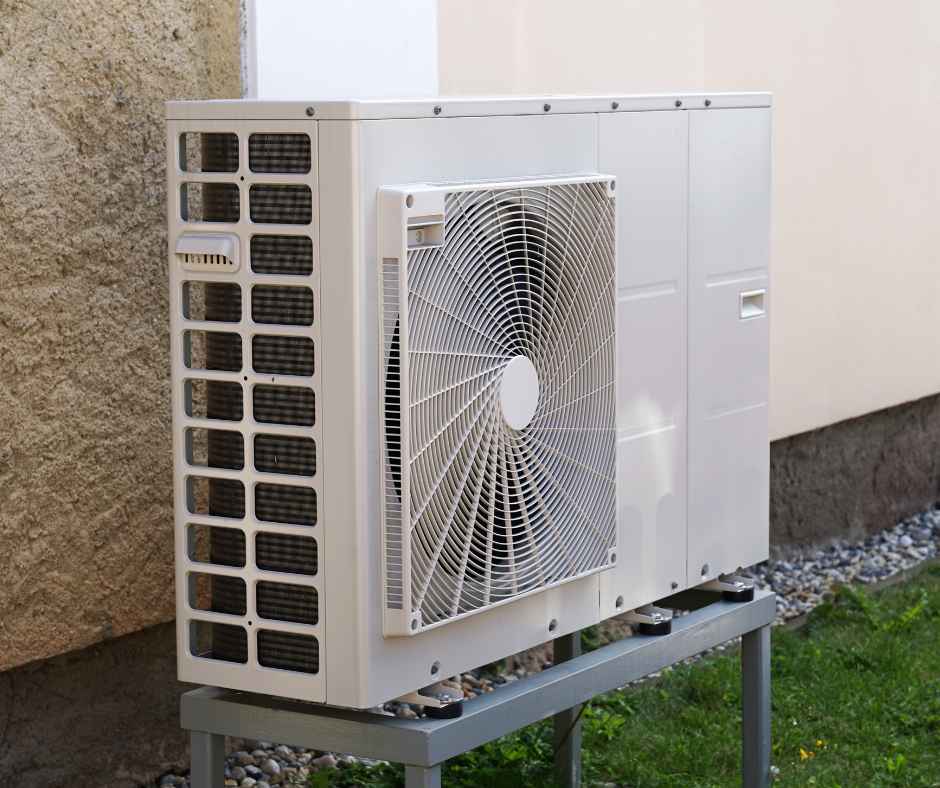
From everyday repairs to complete system upgrades, we deliver expert home comfort solutions tailored to your needs. Our team focuses on long-term reliability, efficiency, and comfort you can feel in every room.